Topic: Day of Atonement
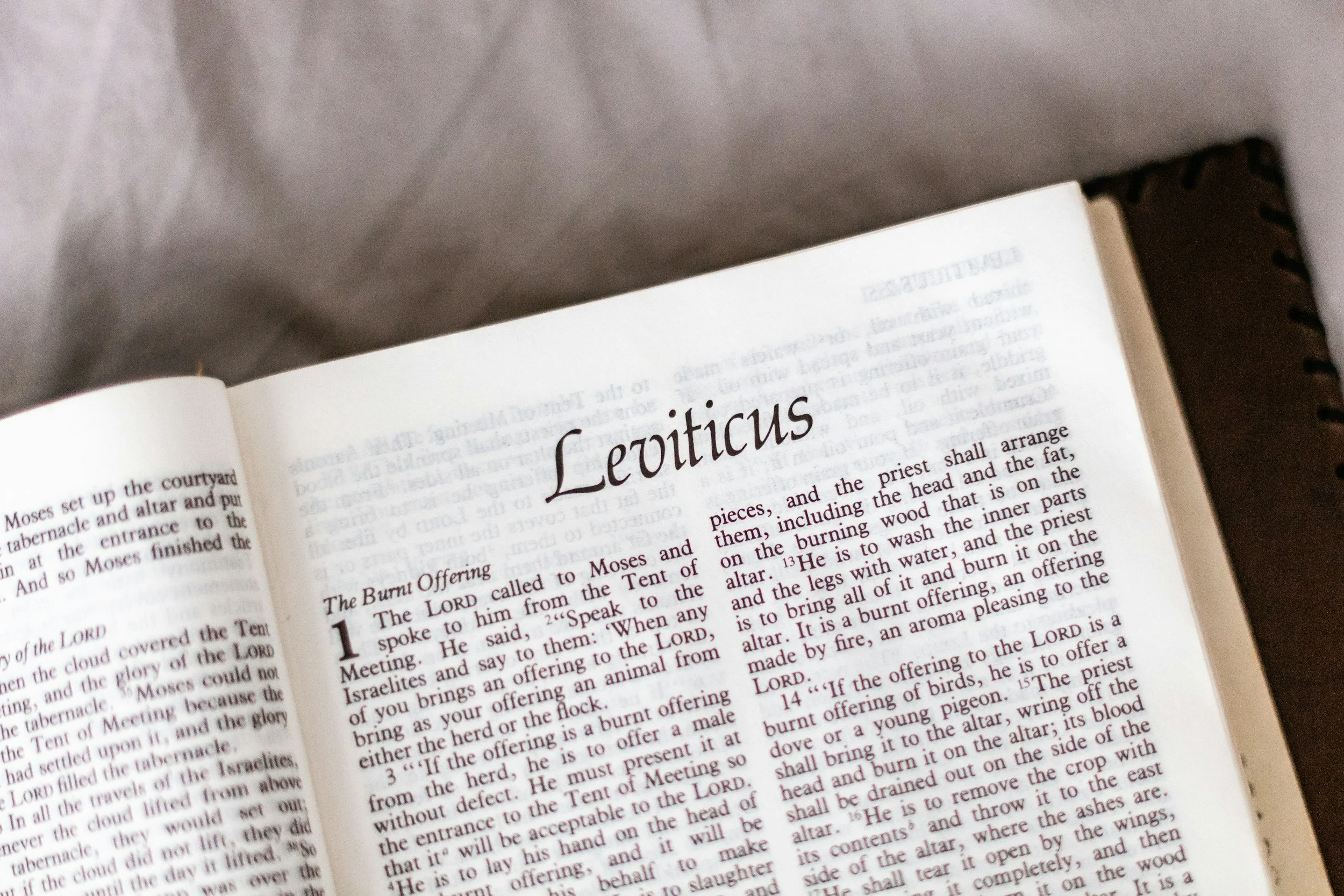
Leviticus 23:26-32, Yom Kippur is the Jewish High Holy Day where the Jewish people will fast and pray, afflicting their souls to receive God’s forgiveness for another year. Yom Kippur is translated from the Hebrew and means, “A Day of Covering.” Today, the feast is more commonly referred to as the “Day of Atonement.” The word “Kippur” is taken from the Hebrew word meaning to cover up. It is first mentioned describing the pitch Noah used to cover the Ark both inside and out. The pitch not only covered, it also concealed and protected it. And so, through the sacrifices offered as atonement, the individual as well as Israel’s sins were covered, that is, hidden from God’s sight by the blood, and thus protected from sin’s consequences, which the Bible tells us is death (Romans 6:23).
Leviticus chapter 16, the Lord lays out how the people were to conduct themselves on this day. First the High Priest would sacrifice a bull to cleanse himself and the temple. Then he would bring two goats. One would be sacrificed for the sins of the nation and the people, and then he took its blood and sprinkled it upon the Ark of the Covenant in the Holy of Holies. Through this the people would see the cost of their sins, and that is the death of an innocent, as God in His grace and mercy provided a substitute to die in their place. The High Priest would then lay his hands upon the head of the second goat, known as the scapegoat, and confess over it the sins of Israel, thus transferring all their sins upon the goat. He then had the goat taken out into the wilderness symbolizing God removal of the people’s sins far from them. But the goat was conveniently led off a cliff, because the last thing the people wanted to see was for the goat to wander back bringing with it all their sins.
Jesus became that sacrificial offering, the blood sacrifice required by law. Remember how He said that He came to fulfill the Law, not destroy it? The writer of Hebrews tells us about Jesus, as our great High Priest and the atonement He provides. Hebrews 9:12, “Not with the blood of goats and calves, but with His own blood He entered the Most Holy Place once for all, having obtained eternal redemption.” This is why the Apostle Paul could say that the observance of a feast day was no longer critical, because its purpose was fulfilled through the sacrifice that Jesus made.
It was to this end that Jesus came, an innocent, one in whom was found absolutely no sin or fault. And it was His life given upon the cross, the blood of an innocent shed, that all who would believe in Him would have their sins forgiven, and not just covered over for a time. That is why John the Baptist describes Jesus as the Lamb of God who takes away the sins of the world.
I’d like to end with a verse we looked at earlier where the writer of Hebrews 10:1 says, “For the law, having a shadow of the good things to come.”
That verse shows this feast is a part of the law that is a foreshadowing of what is to come. A shadow of the coming Messiah. Are you ready for His coming?
See you Sunday,
Dr. Scott Kallem