Topic: Jewish Festival of First Fruits
The feast of First Fruits in Leviticus 23 is probably the least known of the seven feasts of Israel. This one feast is wrapped up with the feasts of Passover and Unleavened Bread; yet, it really has nothing to do with either one of them, but rather it is a future promise of the blessings of God once they possess the land God promised, or The Promise Land.
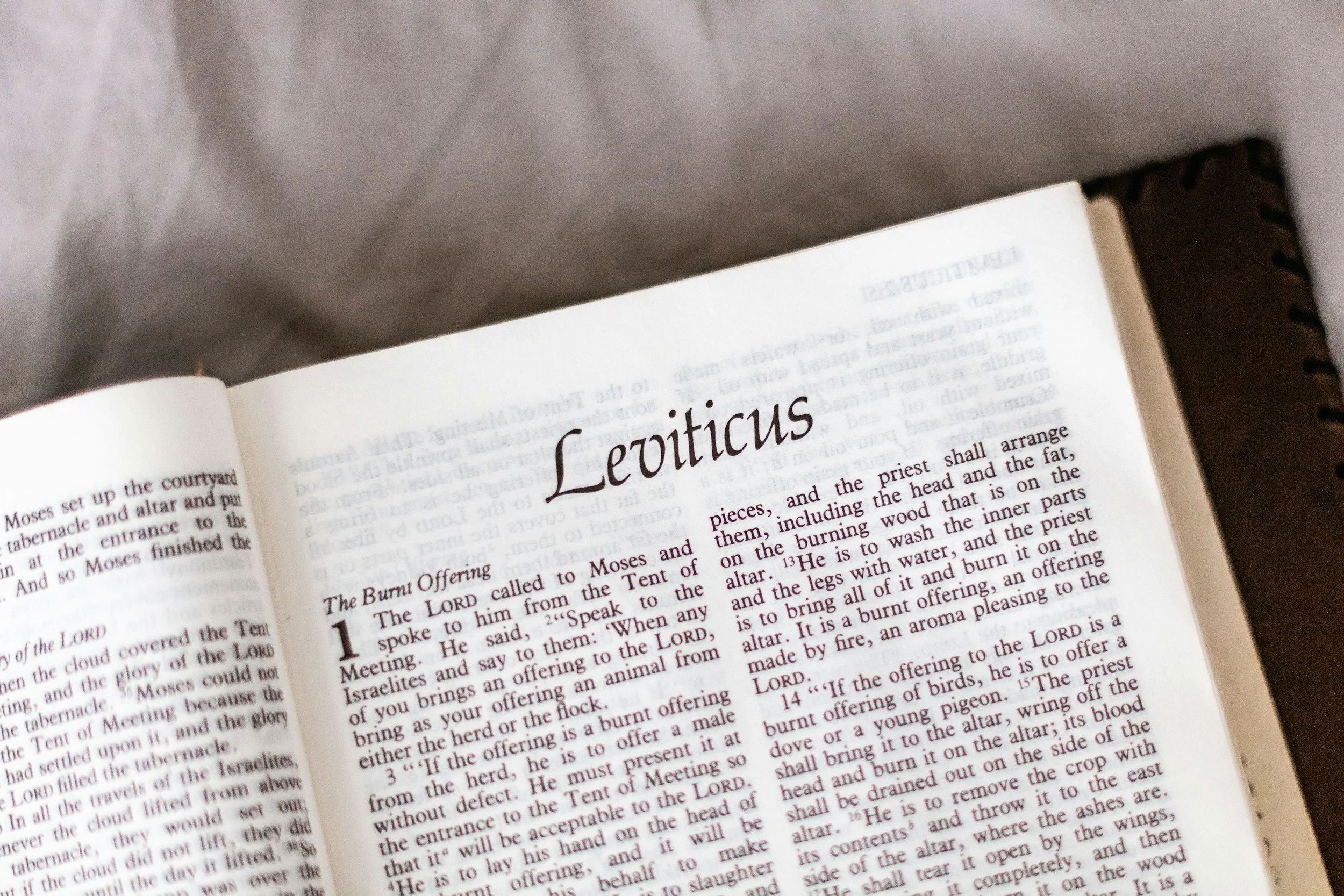
Leviticus 23:10, “Speak to the sons of Israel and say to them, ‘When you enter the land which I am going to give to you and reap its harvest, then you shall bring in the sheaf of the first fruits of your harvest to the priest.”
This was to be offered during the seven-day period of the Feast of Unleavened Bread, on the first day of the week, that is, on a Sunday. So, the date is never a fixed date, like Passover which is on the 14th day, or Unleavened Bread which is held on the 15th day until the 21st day. The feast is actually a celebration of the harvest that God helped to bring in during the spring, or the barley harvest. A sheaf was then to be brought to the temple for an offering because, as it is with everything, it all belongs to God and therefore this first harvest was to be dedicated and devoted to Him. Only then, once they brought in their offering, could they partake of the harvest.
This feast shows what was being offered to God as both the first and best. It being the first is brought out in the name itself, First Fruit. However, it being the best is brought out earlier in Leviticus when the Lord said to Moses in verse 20, “Whatever has a defect, you shall not offer, for it will not be accepted for you.” Further, it being the first and best indicates that it all belongs to God. Psalm 24:1 says, “The earth is the Lord’s, and all it contains, the world, and those who dwell in it.”
In this feast, it all belongs to God, and what it says here in Psalms is that this includes all of us. God has first claim on everything that we have, and everything we are. Paul brings this out in his letter to the Romans (Romans 12:1), “Therefore I urge you, brethren, by the mercies of God, to present your bodies a living and holy sacrifice, acceptable to God, which is your spiritual service of worship.” Like the children of Israel, we are to offer up to God not only our first, that is the tithe, but also ourselves as those living sacrifices, completely devoted to Him, and that is because He gave to us the first and the best, as He gave to us His Son, Jesus Christ, the first begotten of the Father, full of grace and truth (John 1:14).
Not only is this Feast of First Fruits a future promise made by God to the Israelites of their entrance and possession of the Promised Land, but also a future promise of His continued provision for them. This feast focuses on the future, not what has happened in the past. Jesus even referenced this in the revelation He gave to Apostle John. Jesus said, “(I am) the living One; and I was dead, and behold, I am alive forevermore, and I have the keys of death and of Hades” (Revelation 1:18).
Therefore, since Jesus rose from the dead as He promised, then we can trust and have faith when He said that He is the way, the truth, and the life, and that no one can come to the Father except through Him (John 14:6). Therefore, there aren’t many ways to heaven—only one. Jesus is that way. And we can also trust His promises that He is always with us and that He will never leave or forsake us.
See You Sunday,
Dr. Scott Kallem