
Topic: Idols will fall before God (First Samuel 5 & 6)
God is not a man. He is not a created being. He can’t be confined to an image or equated with human inventions. He is the Sovereign, Eternal, All-powerful God. When the Ark of the Covenant—representing God’s presence—was captured and brought into Philistine territory, they placed it beside their idol, Dagon. But what followed was a divine display of power, judgement, and unmatched holiness. God does not need human defense to show He is supreme. Even in captivity, His glory is never subdued.
The Philistines rejoiced after Israel’s defeat, thinking that their god, Dagon, had conquered the God of Israel. But they were about to learn a powerful lesson: Jehovah cannot coexist with idols. In one of the most dramatic scenes in Scripture, the idol Dagon fell and shattered in God’s presence. What followed was a trail of plagues, confusion, and fear as God’s hand moved against the Philistines until they were compelled to return the Ark.
This account is a timeless declaration of God’s sovereignty. He will not share His glory with another. His presence judges’ sin, confronts false worship, and humbles nations. Wherever God’s presence is truly honored, idols must fall, and every knee must bow. This message reminds us today that in the face of adversity or spiritual compromise, no other god can stand before Him.
- The Ark was not defeated, only misunderstood (First Samuel 4:11; 5:1).
- Dagon fell face down before the Ark (First Samuel 5:3).
- Plagues followed the fall of Dagon (First Samuel 5:6).
- The Philistines recognized God’s fingerprint (First Samuel 5:7).
- The Philistines sought a way to return the Ark (1 Samuel 6:1–2).
- The return of the Ark brought joy to God’s people (1 Samuel 6:13–15).
- Restored glory must be handled with holiness (First Samuel 6:19).
The fall of Dagon before the Ark and the plagues that followed in Philistine territory reveal a God who is unmatched in power, holiness, and sovereignty. He does not need an army to defend Him. He does not share space with idols. He does not tolerate irreverence. His presence is glory, but that glory demands honor, obedience, and fear of the Lord.
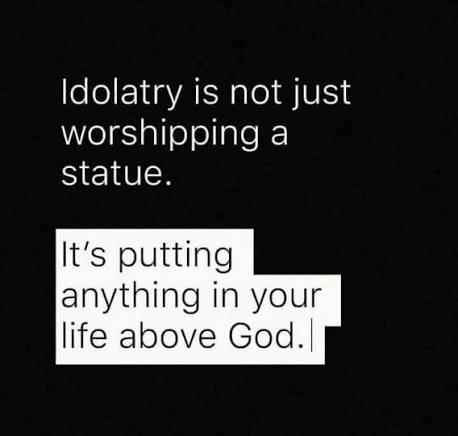
In our time, many idols—whether physical, ideological, or spiritual—still try to rise before the living God. But like Dagon, they cannot stand. Whether in our personal lives, churches, or nations, anything that exalts itself against the knowledge of God will fall. May we be counted among those who don’t merely rejoice in God’s presence but host it in holiness. Truly, no other god can stand before Him—not then, not now, not ever.
See you Sunday!
Dr. Scott Kallem