
Topic: Stubbornness
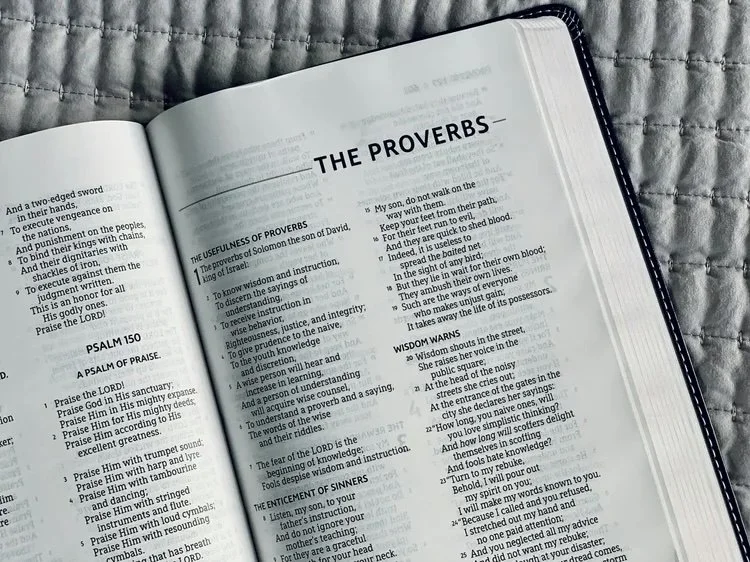
Proverbs 29 is the last chapter of a series of one line wisdom statements. The series began in chapter 25. These are grouped together under a topic:
- Chapter 25 is humility and discretion in leadership.
- Chapter 26 is relying on or engaging with fools leads to harm, confusion, or futility.
- Chapter 27 is teaching humility and dependence on God rather than self‑confidence.
- Chapter 28 is the stark contrast between the righteous and the wicked.
- Chapter 29 is the danger of stubbornness.
Proverbs 29:1, “A man who hardens his neck after much reproof will suddenly be broken beyond remedy.”
The Definition of Stubbornness:
- Stubbornness is a refusal to change one's mind or position, even when faced with evidence or reasoning that contradicts it. It's a stubborn determination to have one's own way, regardless of the cost or consequences.
Stubbornness is a trait that can manifest in various ways, from refusing to listen to others to resisting God's guidance.
Examples of Stubbornness in the Bible
- Pharaoh (Exodus 5-12): His stubborn refusal to let the Israelites go led to devastating plagues and ultimately, the destruction of his army.
- Saul (1 Samuel 15): His stubborn disobedience of God's commands led to the loss of his kingdom and his life.
- Lucifer (Isaiah 14:12-15): His stubborn rebellion against God led to his expulsion from heaven and his transformation into the devil.
The Antidote to Stubbornness
- Humility (Matthew 18:3): Recognizing our limitations and being willing to listen to and learn from others.
- Obedience (Deuteronomy 30:2-3): Willingly following God's commands and guidance.
- Repentance (Luke 13:3): Turning away from our stubborn ways and seeking forgiveness and restoration.
Let us recognize the warning signs of stubbornness in our own lives and seek to cultivate humility, obedience, and repentance. Proverbs 29:25, “The fear of man brings a snare,
But he who trusts in the Lord will be exalted.”
See you Sunday,
Dr. Scott Kallem