
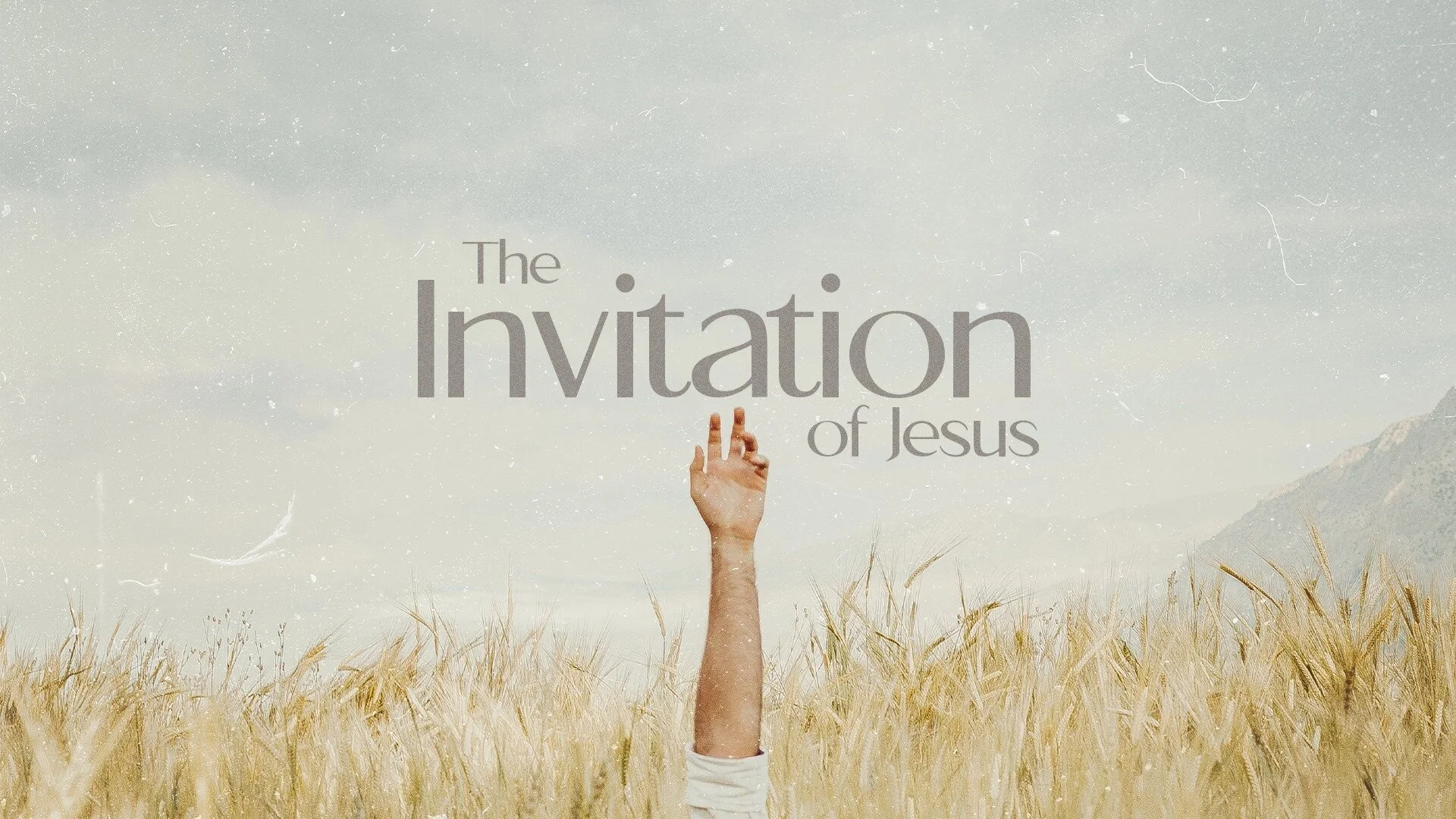
Topic: The Invitation of God
The prophetic book of Isaiah is the most quoted prophetic book in the New Testament with 411 citations. Isaiah is referred to as the Gospel of Isaiah because of the message of good news. It is also considered the Romans of the Old Testament because it sets for the case against sin.
Gods’ nature encompasses holiness therefore His judgment is swift and just.
Isaiah 5:16, “But the Lord of hosts will be exalted in judgment, and the holy God will show Himself holy in righteousness.”
Isaiah outlines the sins of Judah which God holds against them: idolatry, injustice, shallow worship, corruption in government, lust, and pride (Isaiah 5:18-22). Entwined with God’s judgement is the availability of salvation and restoration. Isaiah 1:18-19, “Come now, and let us reason together, Says the Lord, though your sins are as scarlet, they will be as white as snow; though they are red like crimson, they will be like wool. If you consent and obey, you will eat the best of the land.”
The message of Isaiah is a powerful reminder of God's invitation to us. He's not just inviting us to believe in Him, but to become something new through Him. This is a powerful image of transformation, of change, of renewal. It's an image that speaks to the heart of what it means to overcome the past. But how do we get there? How do we go from scarlet to white, from crimson to wool?
The first step: It’s to acknowledge our past. We need to face our past, to confront it, to deal with it. We need to confess our sins, to repent of them, and to seek forgiveness.
The second step: It’s to accept God's forgiveness. God's forgiveness is a gift, a gift that we don't have to earn, a gift that we don't have to deserve. It's a gift that's freely given to us, a gift that's available to us because of Jesus' sacrifice on the cross. We need to accept this gift, to receive it, to embrace it.
The third step: It’s to let go of the past. This requires us to let go of our past mistakes, our past sins, our past failures and to trust in the forgiveness God offers.
The fourth step: It’s to live in the present. This means not dwelling on the past, not letting it define us, not letting it control us. It means living in the here and now, living in the reality of God's forgiveness, living in the reality of His grace.
The fifth step: it’s to look to the future. This means looking to the future with hope and confidence. It means looking to the future with the assurance that God has a plan for us.
This is not a one-time event, but a lifelong process: It's a process that requires us to continually confront our past, to continually accept God's forgiveness, to continually let go of the past, to continually live in the present, and to continually look to the future. But it's a process that brings us closer to God, a process that transforms us, a process that makes us new.
See you Sunday!
Dr. Scott Kallem